
Blog

5 ways music heals the soul
1. Music gives you a safe space to feel.
One of the most underrated parts of healing is giving yourself permission to feel everything without judgment. That’s where music comes in. A single song can express sadness, joy, anger,
nostalgia, and even confusion, all in one breath. It guides you through emotions you’re too tired to explain.
Have you ever cried listening to a song that reminded you of someone you lost? Or found comfort in lyrics that felt like your journal had been turned into poetry? It’s no coincidence. Music needs no filter. Accept your emotions as they are.
This emotional safety net helps you process thoughts that may be too tangled to untangle alone. Even when you can’t find the words, the music already says them for you. It’s not about fixing anything. It’s about saying, “Yes, this hurts. And that’s okay.”
2. Release the pressure you are carrying
We all hold on to stress like a backpack that gets heavier and heavier. There are days when you don’t even realize how tense you are until you hear a relaxing tune and suddenly, you relax. Music physically changes your body. Studies show that listening to slow, soothing music can lower heart rate, blood pressure, and cortisol levels (the hormone responsible for stress).
It’s not just classical or ambient music that works. Even upbeat tunes can be effective. Dancing in the kitchen, belting out your favorite song in the car, or grooving to the beat of a drum can release stress from the body. It’s movement and release wrapped in sound.
Music can also create a rhythm for your breathing. Slow songs tend to make you breathe more deeply, naturally calming your nervous system. You stop holding your breath. You stop clenching your jaw. You begin to relax.
3. It connects you with others
We are hardwired to seek connection. And when spoken words become difficult, music steps in to bridge the silence. Think about how often songs bring people together. Weddings, funerals, road trips, church services, and protests—music is always present. It provides us with a shared language.
Even across cultures and languages, music speaks clearly. A love song in Spanish can be as impactful as one in English. A lullaby from another country can lull you to sleep. That’s the beauty of music: it transcends logic and goes straight to the heart.
Music also creates memories. You can listen to a song and instantly remember who you were with, where you were, and how you felt. These musical moments create connection, not only with…
others, but also with your past self. And sometimes, remembering that you made it through those moments is healing in itself.
4. It lifts you up when you’re down
We all have difficult moments. Maybe you’re grieving, feeling stuck, or just having a rough day. In those moments, people often offer advice, but what you really want is to feel better, even a little.
That’s when music comes in—no judgment, no advice, just energy. Studies show that certain songs can increase dopamine and serotonin, the brain’s natural mood boosters. It doesn’t have to be a perfect playlist. A single song that makes you smile, sway, or sing along can help shift your mood.
The change doesn’t have to be drastic. Maybe your tears feel lighter. Maybe you accidentally tap your foot. Maybe the weight on your chest becomes a little easier to bear. These moments of emotional lightness matter. They remind you that hope is still there. That joy isn’t gone; it’s just waiting for you in the next verse.
5. It helps you heal and let go
Music has a way of holding the pain without drowning you in it. It can be the silent companion that accompanies your sadness or the spark that drives you forward. For many, it becomes part of the healing process, not just emotionally, but spiritually.
When you play a song during difficult times, you often return to it later and realize how far you’ve come. The same song that once made you cry can one day make you smile. That’s the magic of music. It grows with you.
And if you’ve ever written a song or even scribbled lyrics in a notebook, you already know the power of music as an emotional outlet. Creating music is a way to release pain without repressing it. You transform pain into harmony. Anger into rhythm. Sadness into a verse that weighs you down without breaking you.
This release doesn’t need to be pretty. It doesn’t need to rhyme. It just needs to be true. And music, in all its forms, gives you permission to speak the truth, even if it’s only to yourself.
Final Thought: Let the Music In
Healing rarely happens all at once. It comes in waves, some strong, some gentle. Music is often the wave that carries us away when we’re too tired to swim.
It helps you feel. It helps you move. It helps you remember, forgive, and hope.
So the next time you feel a heaviness in your heart or a sense of fullness, don’t push that feeling away. Instead, find a song that knows you. Let it play. Let it speak. Let it heal.
You don’t need to know all the answers. You don’t need to explain your pain. You just need to press play and trust that the music will carry you through.
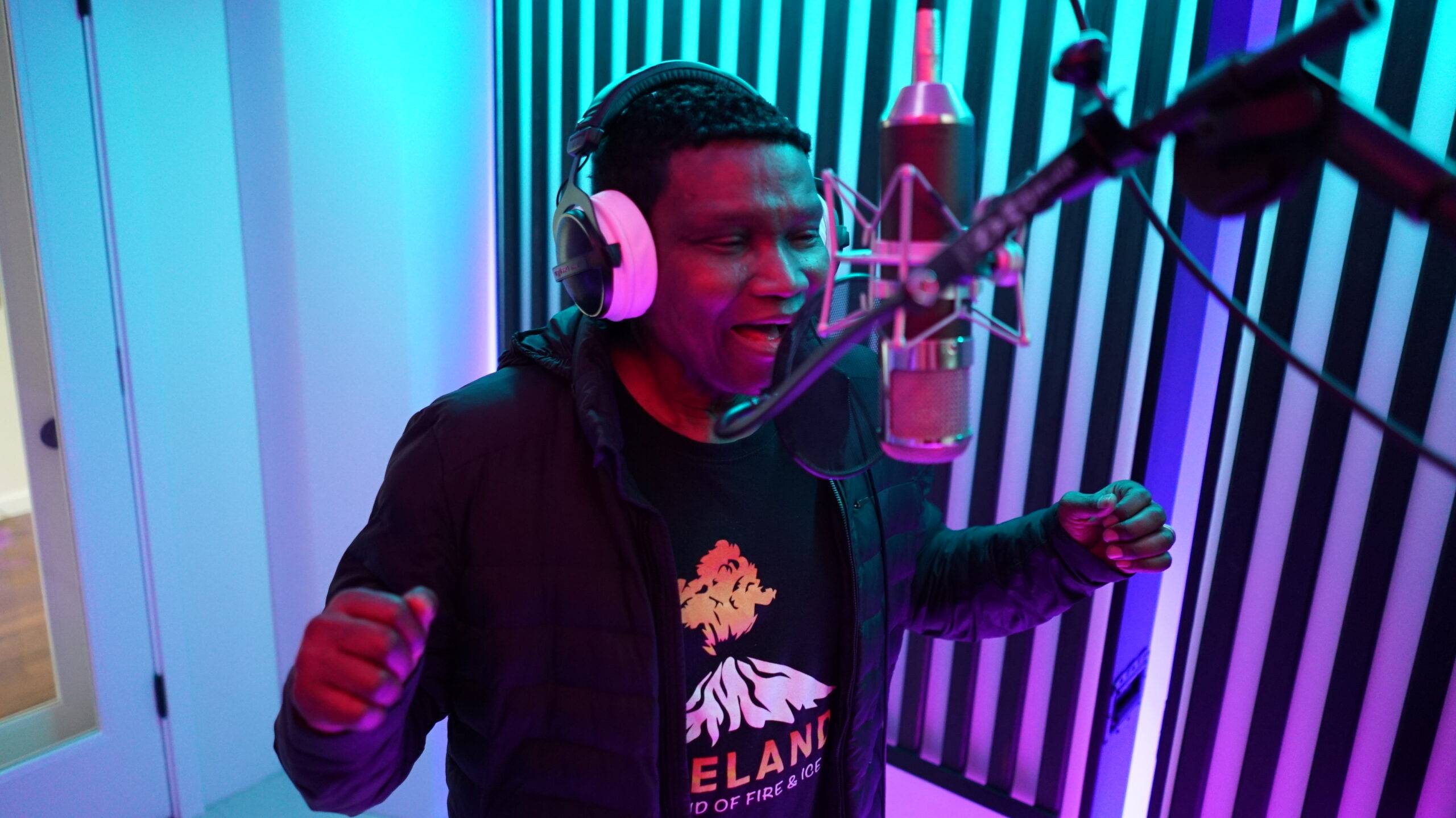
the role of culture in modern music
Music and culture have always been closely linked. Wherever people go, their music follows. It carries stories, beliefs, struggles, celebrations, and everything in between. In today’s world, where borders are blurrier, collaborations are global, and sounds travel faster than ever, culture plays an even bigger role in shaping the music we hear.
Modern music isn’t just influenced by culture. It is culture. It’s where identity meets creativity. And as the world grows more connected, music becomes a bridge that links people across languages, traditions, and generations.
Let’s explore how culture continues to shape, inspire, and redefine modern music around the world.
1. Culture Keeps Musical Roots Alive
Every genre of modern music has roots somewhere. Hip-hop grew from the streets of the Bronx. Reggae was born in the neighborhoods of Kingston. Afrobeat pulsed its way out of Nigeria, blending traditional rhythms with political power. K-pop is shaped by Korean traditions mixed with global pop elements. Even techno traces back to Black artists in Detroit.
These cultural origins are not just history, they’re part of the music’s identity. Artists today still reach back to their heritage, their roots, their people. They bring the past forward with new sounds, keeping traditions alive while also giving them fresh expression.
This balance between honoring where you came from and expressing where you are now is what gives music its richness. It’s why a trap beat can carry a Yoruba chant. Or why a classical Indian raga can show up in a global pop hit.
Culture helps music stay grounded, even as it evolves.
2. It Shapes the Stories We Tell
Music is a form of storytelling. And culture decides what stories matter.
In some places, music is used to share political resistance. In others, it’s a tool for preserving family histories. For some communities, music is spiritual, it’s woven into ceremonies and rites of passage. For others, it’s deeply tied to love, heartbreak, and coming of age.
Modern music reflects these cultural lenses. For example, Latin American artists often use music to speak about identity, family, and social struggle. Indigenous musicians may focus on environmental justice or land rights. Artists from the Middle East may use music to explore themes of freedom and displacement.
What we sing about is shaped by what we’ve lived. And what we’ve lived is shaped by where we come from.
3. It Inspires Sound, Style, and Movement
When we talk about culture, we’re not just talking about geography or ancestry. Culture includes language, fashion, slang, food, dance, and belief systems. And all of that shows up in music, especially in the way it looks and sounds.
Think about the way dance moves like the Azonto, Dabke, or TikTok’s viral challenges have become cultural exports. Or the way certain beats immediately place you in a specific part of the world like the rhythm of reggaeton, the swing of jazz, or the bounce of baile funk.
Cultural influence is everywhere. In the instruments used. In the vocal inflections. In the visuals of music videos. Even in the album art.
What’s powerful about this is how it encourages both pride and curiosity. It makes listeners proud to see their own culture represented, while also inviting others to explore something new. It’s music as both mirror and window.
4. It Drives Global Collaboration
One of the most exciting parts of modern music is how easily artists from different cultures can now work together. Technology, streaming platforms, and social media have torn down the walls that once separated artists by geography.
We now hear Nigerian singers featured on American pop songs. Indian producers crafting beats for UK rappers. Japanese jazz musicians teaming up with French electronic artists. And fans love it.
This isn’t just about trends or business deals, it’s about genuine exchange. Cultural collaborations introduce audiences to new sounds while helping artists grow creatively. It shows how music can be a space where cultures don’t compete. They converse.
The best part? When done respectfully, these cross-cultural moments don’t dilute culture. They amplify it. They remind us that music is one of the few languages that doesn’t need translation.
5. It Gives Voice to Marginalized Communities
Culture is often shaped by struggle. And music has always been one of the loudest tools for people trying to be heard.
Modern music continues to spotlight voices that have historically been silenced. Ǫueer artists reclaim genres. Indigenous artists preserve endangered languages through song. Women create space in male-dominated scenes. Immigrant musicians bring hybrid sounds that reflect the tug-of-war between old home and new land.
Through platforms like YouTube, SoundCloud, and TikTok, these voices are no longer waiting for mainstream approval. They’re building communities, breaking through algorithms, and creating movements from the ground up.
Culture here isn’t just a backdrop, it’s the heartbeat of the message. These artists remind us that modern music is not just about entertainment. It’s about truth, resistance, and the right to be seen and heard.
6. It Influences the Way We Listen
Culture doesn’t just shape the music. It also shapes the audience.
In some cultures, music is experienced in community, at festivals, street corners, weddings, or rituals. In others, it’s a private escape, tucked into headphones or car rides. How we engage with music, how we dance to it, respond to it, or value it, is deeply cultural.
Even the idea of what makes a “good” song is shaped by culture. Some prioritize lyrics. Others focus on rhythm or harmony. Some love minimalism. Others lean into bold complexity. All of this affects what becomes popular, what gets shared, and what gets passed down.
As the global music audience grows more diverse, the ways we experience music grow too. Algorithms can suggest a song, but it’s culture that tells you whether that song speaks to your soul.
Final Thought: Music is Where Culture Lives
Modern music is a living, breathing reflection of culture. It carries identity, memory, and evolution. It honors old roots while planting new ones. And as the world keeps spinning and shifting, music continues to remind us where we come from and where we’re headed.
So the next time you hear a song that moves you, ask yourself: What story is it telling? What culture shaped it? And how does it connect to your own?Because in the end, music isn’t just about sound. It’s about belonging. And that makes it one of the most powerful expressions of culture we have.

finding your sound as an artist
Every artist reaches a point where the question hits hard: What’s my sound?
It’s one of the most personal, frustrating, beautiful parts of the creative journey. Maybe you’ve written dozens of songs, played around with different genres, and still feel like something’s missing. Or maybe you’re just starting out and overwhelmed by the endless possibilities.
The truth is, finding your sound isn’t something you force. It’s something you grow into. And while it might feel out of reach right now, trust that it’s already inside you. You just have to listen closely.
Let’s walk through what it really means to find your sound and how to stop chasing trends and start finding your truth.
1. Understand that “Your Sound” isn’t a Box
When people talk about an artist’s sound, they usually picture a genre or a vibe. But your sound isn’t a strict label. It’s the emotional fingerprint that follows you through every note.
It’s the way you phrase lyrics, the energy you bring to a beat, the patterns in your storytelling. It’s not just what you sound like. It’s what your music feels like.
You don’t have to stick to one genre to have a sound. Artists like Billie Eilish, Childish Gambino, and Rosalía experiment with different styles all the time but you can still recognize them instantly. Why? Because their sound is in the emotion, not the label.
So if you’ve been stressing about whether you’re pop, indie, R&B, or something in between, breathe. Your sound can live between genres. It just has to be true.
2. Look Inward, Not Around
It’s easy to look around at what’s trending and feel tempted to follow the wave. Maybe a certain beat is dominating TikTok. Maybe everyone’s adding a specific vocal effect or tempo. And while experimenting is healthy, chasing what’s popular can pull you away from what’s real.
Finding your sound starts with knowing yourself. What stories do you want to tell? What feelings do you want to share? What moments in life shaped the artist in you?
Some of the best music comes from turning your own experiences into sound. Heartbreak, joy, anxiety, nostalgia, hope, these aren’t trends. They’re human truths. And people connect with them when they’re honest.
So instead of asking what’s hot right now, ask what’s honest for you.
3. Play, Fail, and Repeat
There’s no shortcut to finding your sound. You have to try things. Then try more things. And mess up. A lot.
Record songs that never get released. Write verses you end up hating. Cover artists you admire. Try producing. Try playing live. Try singing out of key. All of it matters.
The more you create, the more you learn what doesn’t feel like you. And that’s just as important as discovering what does.
Think of it like sculpting. You start with a big block of sound and slowly chip away at what doesn’t belong. Over time, what’s left is something that sounds and feels like you. The only wrong move is waiting until you’re “ready.” Start messy. The clarity comes later.
4. Don’t Be Afraid to Mix Influences
You are made up of everything you’ve ever heard. That’s a good thing.
Maybe you grew up on gospel, but you love lo-fi beats. Maybe you’re trained in classical piano but can’t stop listening to rap. Maybe your parents blasted jazz, and now you’re obsessed with synthpop. These influences are part of your musical DNA and they’re not meant to be hidden.
Your sound can be a blend. It should be. Because you’re not a copy of anyone else.
The key is being intentional. Don’t blend genres just for the sake of being different. Blend them because they mean something to you. That connection is what makes it authentic. That’s what turns a mashup into a movement.
5.Trust What Moves You
One of the biggest traps artists fall into is trying to impress. But the songs that last, the ones people come back to aren’t always the most polished or trendy. They’re the ones who feel the most honest.
If a song gives you chills, makes you cry, or makes you want to dance around your room, pay attention. That’s your compass. That’s your sound showing up.
You’ll know when a song feels right because it won’t feel forced. You’ll stop asking, “Is this good enough?” and start asking, “Did this say what I needed to say?” That shift is everything.
6. Let Your Voice Grow
Your sound isn’t something you find once and keep forever. It evolves as you do. You’re going to change. Your voice will mature. Your stories will shift. And that’s part of the process.
Look at artists like Beyoncé, Frank Ocean, or Taylor Swift. Their sound today is worlds away from their early work, but it’s still them. You can feel their fingerprints in every phase.
Don’t get stuck in the idea that your sound has to be one thing forever. Let it grow. Let it stretch. Give it room to breathe. Finding your sound isn’t about locking it in. It’s about learning how to follow it wherever it goes.
7. Make Peace with the Process
It’s okay if you’re not there yet. Really.
You don’t have to “arrive” to make great music. Some of your best songs will come from being in-between caught between influences, moods, and questions. That space is messy, but it’s also magic.
You’re not behind. You’re not doing it wrong. You’re in the middle of becoming. And your sound is growing with you.
Keep writing. Keep recording. Keep listening to what makes your heart stir. Because even when you feel lost, you’re still getting closer.
Final Thought: Your Sound Is Already Inside You
Finding your sound isn’t about copying someone else or trying to fit into a box. It’s about peeling back the noise until you hear your own voice, loud, clear, and real.
So stop waiting for permission. Stop waiting for perfection. Make music. Mess it up. Find something new. Trust what gives you goosebumps. And above all else, followyour truth. Because of your sound? It’s not out there. It’s already in you. You just have to let it out.